See how it works
Real example: same person, before and after.
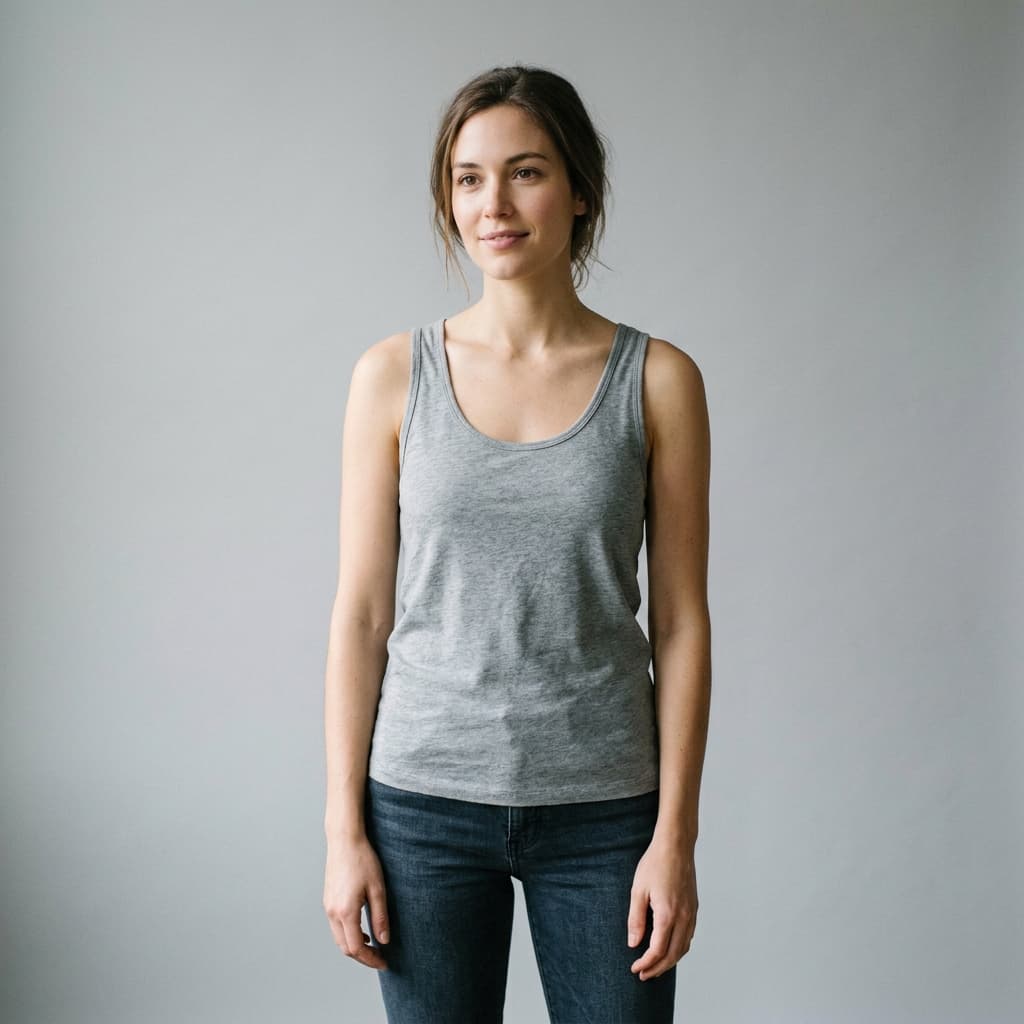
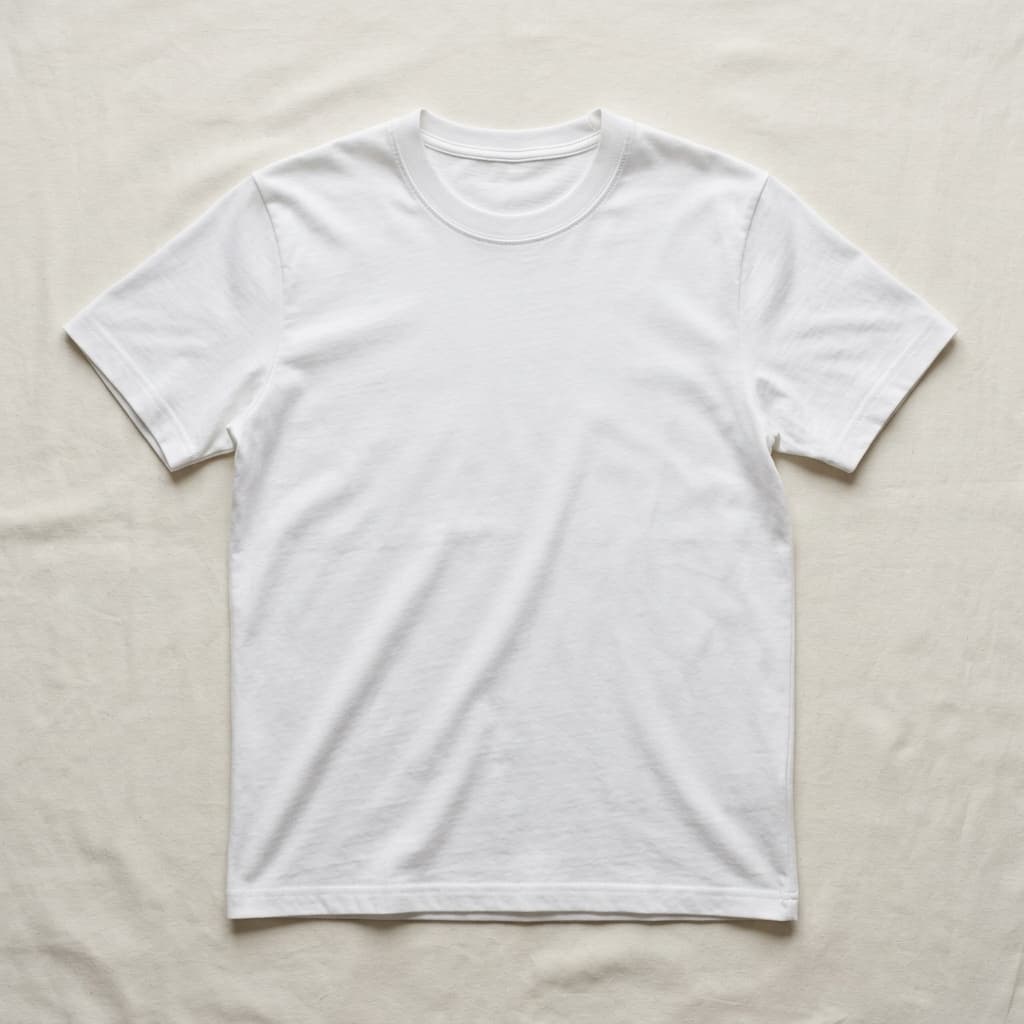
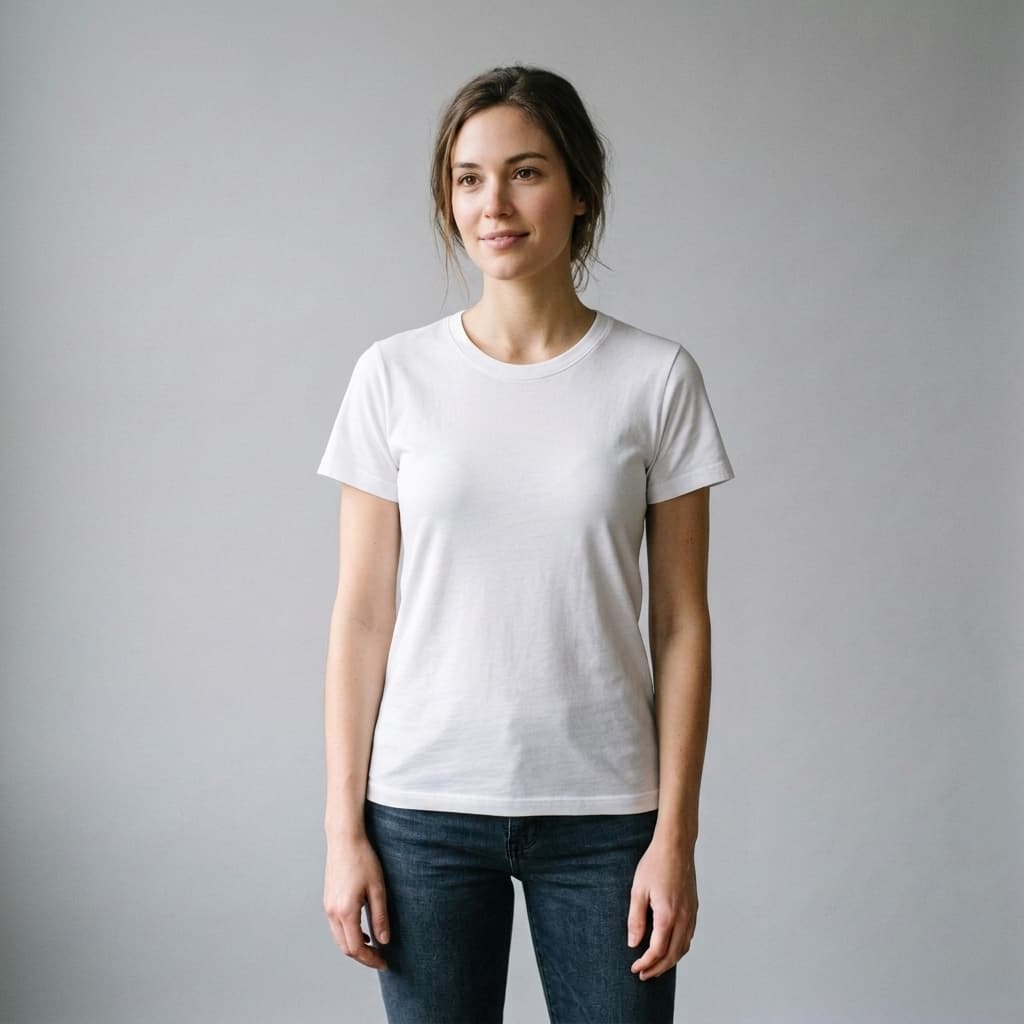
Clothing colour palette
for your skin tone — tested on your photo.
The right colour palette next to your skin makes you look healthy, rested and expensive. The wrong one makes you look tired — and you wouldn't know until the parcel arrives. Render any garment colour on YOUR photo first, decide whether the palette flatters your undertone, then buy only the shades that survived the preview. Free first render, no signup.
Why colour matching matters more than you think
Your skin has a HUE (warm, cool, neutral) and a VALUE (light, medium, deep). The four-season system (Spring/Summer/Autumn/Winter) reduces those two dimensions into a 12-colour palette that flatters you, and a separate list that washes you out. The problem: stylists charge €150-300 for a colour analysis session, the online quizzes guess from a photo with bad lighting, and the swatches you see on Pinterest don't show how the colour actually reads next to YOUR neck. A virtual render skips all of that — upload your photo, pick the garment colour, see the actual interaction on your real complexion in 30 seconds.
How to find your colour palette with the virtual try-on
- Take one daylight photo of yourself, shoulders up, no filter — the AI uses this to read your true skin tone and contrast.
- Try four 'safe' tones first (navy, ivory, camel, charcoal) so you have a baseline of what neutral does on your face.
- Then test the colour you're considering buying — render it as a top, a jacket, or a swatch held under your chin.
- If the colour makes your skin look more even, more rested, more 'lit' — keep it. If it pulls yellow / grey out of your face, skip it.
- Save the renders that flatter you. That's your personal palette — reuse it every time you shop.
Six colour matches that work for most skin tones
Cool undertone (pink/blue/purple hues in skin) → jewel tones
Sapphire, emerald, ruby, amethyst — high-saturation cool colours next to cool skin amplify the lit-from-within look without going garish.
Warm undertone (yellow/peach/gold hues) → earth + spice palette
Camel, terracotta, mustard, olive, rust. Warm skin against warm earth tones reads coherent and editorial in photos.
Neutral undertone → soft jewel + dusty pastel
Dusty rose, sage, slate blue, mauve. Neutral skin is flexible — the only rule is staying away from neon white-cool or screaming neon-warm.
Light value skin → medium-saturation, not pastels
Pastels can wash out very light skin; mid-tone hues (deep navy, true red, forest green) give the face a frame instead of swallowing it.
Deep value skin → high-contrast saturated colours
Cobalt, magenta, true white, electric blue. Deep skin can carry colour intensity that lighter skin tones cannot.
When in doubt: hold the garment under your chin in natural light first
If your face looks tireder or yellower with the garment held up, the colour fights your tone. If your face looks brighter or more even — keep it.
Colour-matching mistakes to avoid
Trusting one online quiz to define your whole wardrobe
The quizzes guess from one photo under unknown lighting. They get the season right ~40% of the time. Use them as a starting hypothesis, not gospel.
Wearing pure black or pure white as a default
Pure black drains warm skin; pure cool white grays warm skin. Off-black (brown-black, midnight) and off-white (ivory, cream) work for almost everyone.
Picking a colour because it was 'this year' on Pinterest
If butter yellow flatters your skin tone, wear it forever. If it doesn't, no amount of seasonal hype makes it work next to your face.
Render every colour before you order
Three minutes of testing in front of an AI mirror saves three return labels and three weeks of wardrobe doubt. Pick a garment from any store, pick a colour, see it on your real photo — keep, swap, or skip in 30 seconds.
Test a colour on my photoFREEOne pack unlocks every Agalaz feature
Buying the Starter pack or higher doesn't just unlock this one page. You get unlimited access to every category at agalaz.com/try-on: clothes, dresses, swimwear, glasses, jewelry, engagement rings, tattoos, costumes, hairstyles, makeup, nails, pet outfits — even cosplay. Same photoreal render quality, same speed.
See everything at /try-onColour palette + skin tone — questions
Try anything else on you
Tattoo simulator
Try any design on your skin
Bikini & swimwear
See it on your real body
Earrings
See them on your ears
Wedding dresses
Before booking the boutique
Nail try-on
Any design on your hands
Glasses & sunglasses
Frames on your face
Jewelry
Necklaces, rings, bracelets
Men's suits
Try the cut before the tailor
Pet clothing
On your real dog or cat
Baby clothing
On your real baby
Costumes
Halloween, parties, cosplay
Hairstyles
See it before the salon
Cosplay
Anime, games, conventions
Specific looks you can try
Engagement ring try-on
See solitaire, halo, pavé on your hand
Virtual wig try-on
Lace-front, curly, color, cosplay
Best virtual try-on app
Compared 6 tools in 2026
Best AI clothes changer
Which one keeps your face
Best hairstyle try-on app
Cut + color compared
Best AI nail try-on
Gel, French, designs 2026
Free virtual fitting room
5 apps that actually are free
Chrome nails 2026
Pastel, mirror, glazed donut
Style oversized clothes
Without looking sloppy
Curtain bangs
Try the cut on your face
Wolf cut
Long, short, mullet, asian
Round face haircuts
Best cuts that flatter
Oval face haircuts
Styles for oval faces
Square face haircuts
Soften the jawline
Diamond face haircuts
Balance the cheekbones
Wedding guest outfit
Spring, summer, fall, winter
Bridesmaid dresses
Cheap, sage green, Azazie
Couples halloween costumes
Funny, easy, scary, DIY
Natural makeup look
No-makeup makeup tutorial
Engagement ring hand
Which finger by culture