Blog/Job Interview Attire 2026 — Industry Cheatsheet (Free)
6 min read·May 14, 2026
Job Interview Attire 2026 — Industry Cheatsheet (Free)
Walking into a job interview in 2026 dressed as if it were 2014 is the fastest way to look out of touch. Dress codes have softened across every industry — but the rules for what's appropriate haven't disappeared, they've just become more contextual.
Here's the honest 2026 cheatsheet by sector, plus the 3 universal rules that work everywhere.
The 3 Universal Rules (Work in Any Industry)
Before drilling into sectors, get these right:
1. One notch above the daily dress code. If the company is jeans-and-tee daily, wear chinos + button-up. If they're business casual daily, wear a blazer. You don't need a suit for a tech startup — but you do need to look intentional.
2. Fit beats budget. A well-fitting $40 shirt beats a poorly-fitting $200 one every single time. Recruiters notice fit before fabric.
3. Neutral colors win. Navy, charcoal, black, white, beige, soft grey. Save personality for the conversation, not the outfit.
Tech Companies (Startups, FAANG, SaaS)
The shift: Tech moved from "anything goes" to "intentional casual" post-pandemic. Pure hoodies are out for interviews; smart-casual is in.
Role
What works
Engineer / IC role
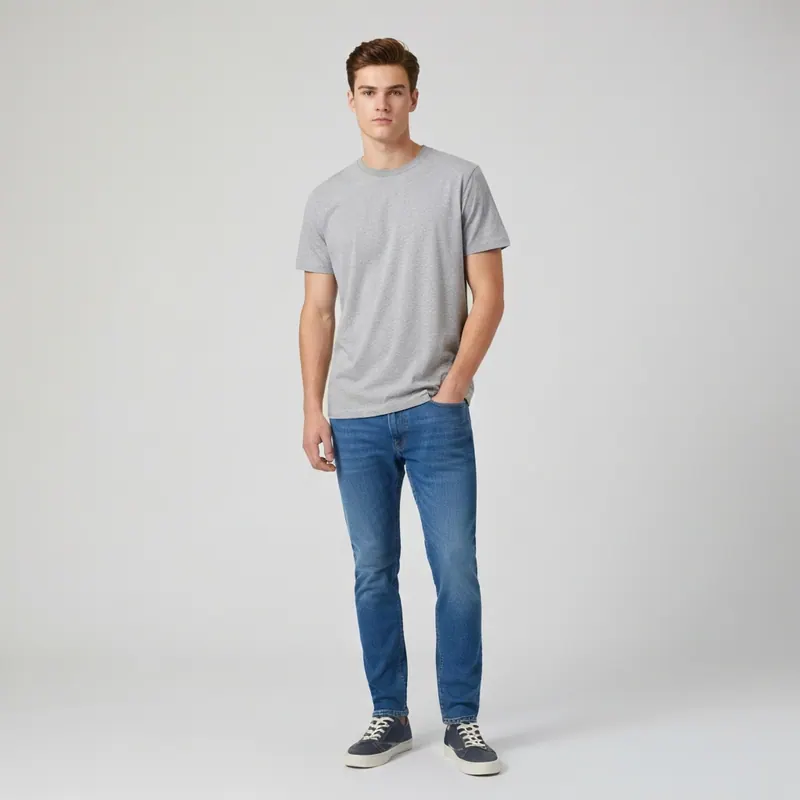
Dark jeans or chinos · button-up or smart polo · clean sneakers (no obvious logos)
Tailored chinos · blazer · dress shoes or premium sneakers
Design role
More personality OK — interesting glasses, statement watch, monochrome outfit
Avoid: branded company t-shirts (from previous jobs), hoodies, sneakers with heavy logos, anything wrinkled.
Finance, Consulting, Law
The shift: Slightly softened from full traditional, but still the most formal sector.
Role
What works
Analyst / Associate
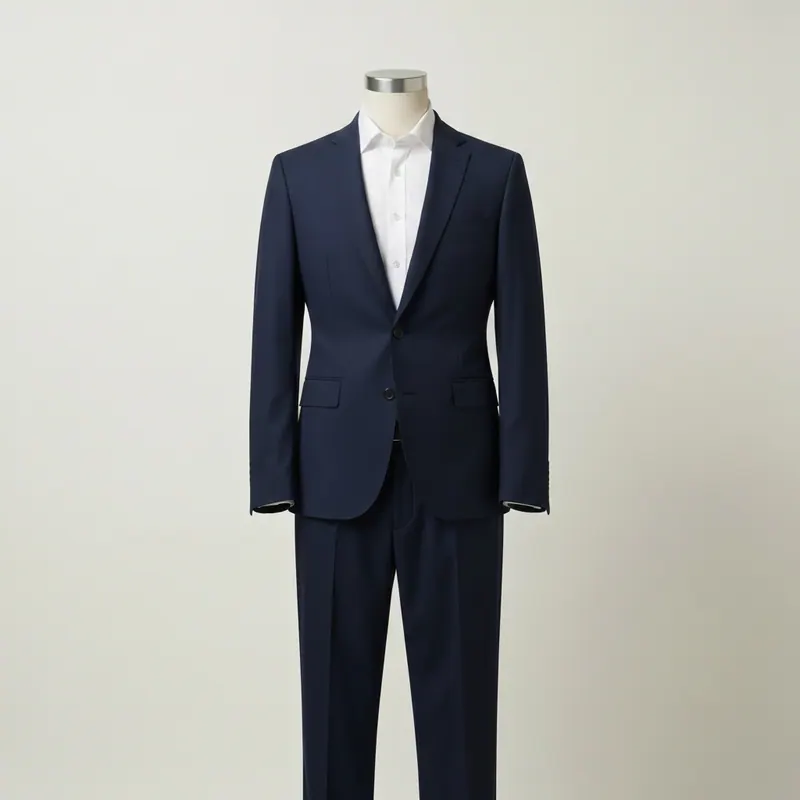
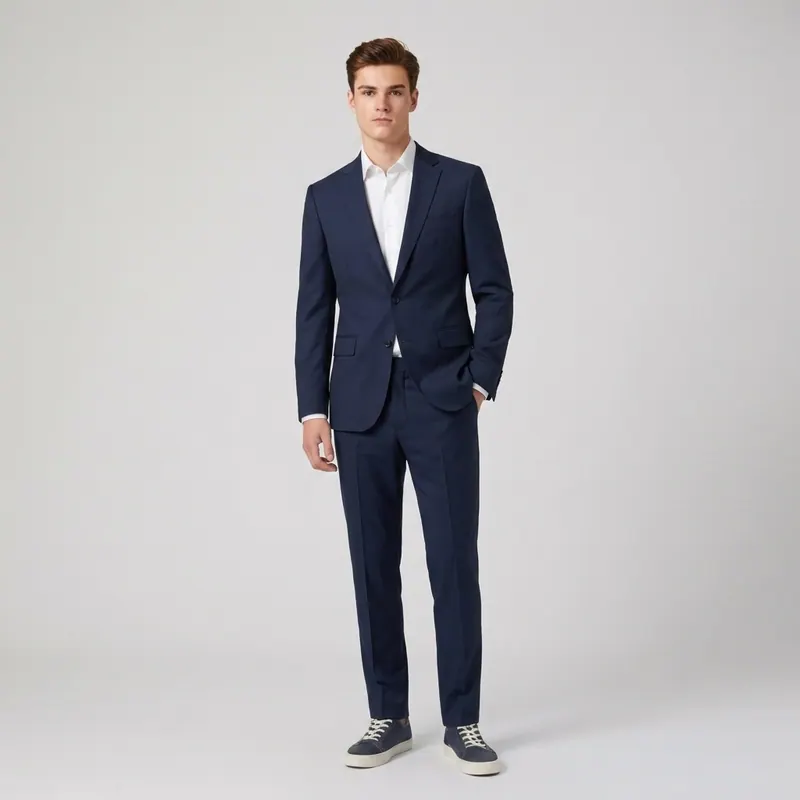
Two-piece suit (navy or charcoal) · white or light-blue shirt · conservative tie · dark leather shoes
Manager / VP
Suit (can be slightly more interesting cut) · pocket square optional · still no patterned shirts
Senior / Partner
Traditional formal — bespoke or premium off-rack suits, ties always
Women in finance: tailored blazer + pencil skirt or trousers + closed-toe pumps. Avoid sleeveless tops as interview-day pieces; you can always remove a blazer if asked but not add what you didn't bring.
Avoid: trendy fits (cropped trousers, oversized blazers), bright statement colors, casual shoes, anything that screams "look at me" before "I'm competent".
The shift: This is the trickiest sector — being underdressed flags low effort; being overdressed flags out-of-touch.
Role
What works
Junior creative
Smart casual with one signature piece (interesting glasses, watch, shoes)
Senior creative / Director
Blazer + tee + nice trousers · or monochromatic look (all-black, all-neutrals)
Fashion-specific
The interview IS a portfolio. Studied looks that show you know the brand's aesthetic
Universal in creative: show you have taste without showing off. One interesting piece > five mediocre ones.
Avoid: trying too hard, vintage/streetwear that you couldn't pull off daily, anything that looks like you raided a costume rack.
Healthcare, Education, Government
The shift: These remain the most traditionally formal because trust + perceived authority matter.
Role
What works
Clinical / patient-facing
Conservative suit · neutral tie · low-heel closed-toe shoes for women
Administrative
Business casual + blazer · trousers · simple jewelry
Government / public sector
Full traditional — suit, tie, polished shoes. Match the institutional weight
Avoid: anything that could be read as flashy, casual, or attention-seeking. These sectors reward looking like you'd be a trusted authority figure.
What's New in 2026 (Across All Sectors)
A few trends that have crystallized this year:
• Sneakers in interviews are accepted for tech roles only. Clean leather sneakers (white or black) work in startups and SaaS. Avoid sport sneakers in any setting.
• The "smart polo" is the new shirt-and-tie for tech leadership. Premium knit polos (Lacoste, Theory) read as intentional casual without trying too hard.
• Cropped or wide-leg trousers are office-acceptable if hemmed properly. The "ankle hitting the shoe" rule died.
• Statement glasses are interview-acceptable everywhere — they're read as personality + intent, not flair.
• Tonal monochrome outfits beat pattern-mixing. All-charcoal or all-beige looks more put-together than mixing patterns or competing colors.
The Test Before You Leave
Before walking out the door, run this 30-second checklist:
1. Is everything clean? (Stains kill the moment in HD video calls)
2. Is everything wrinkle-free? (Steamer in the morning if needed)
3. Do shoes match the formality level of the rest?
4. Have you sat down in the outfit to make sure nothing pulls or rides up?
5. Have you seen yourself in full-body in the outfit? Don't just check the mirror from waist up.
That last one trips up more candidates than you'd guess. A blazer that fits perfectly in front can be 2 sizes too big across the back. A skirt that sits well standing can hike up when you sit.
If you genuinely can't tell what's appropriate, dress one level up from what the company shows on their website careers page. You'll never lose a job for being too well-dressed at an interview. You can lose one for being too casual.
The interviewer is looking for "this person took this seriously". Your outfit answers that question before you open your mouth.