5 min read·May 29, 2026
How to Style Oversized Clothes Without Looking Sloppy (2026)
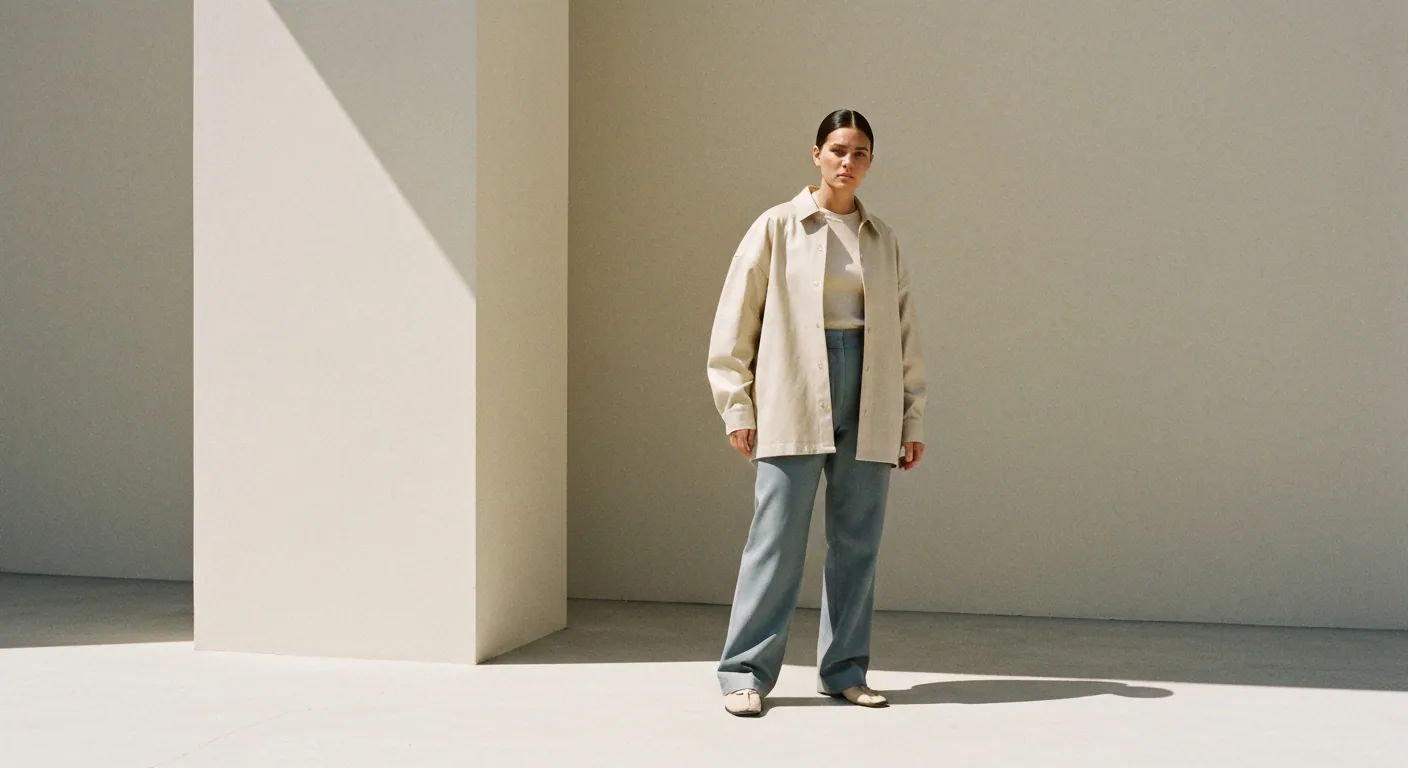
> → See oversized fits on YOUR body before you buy — free AI virtual try-on. Upload your photo, drop in any oversized piece, render in 30 sec.
Real example: same person, before and after.
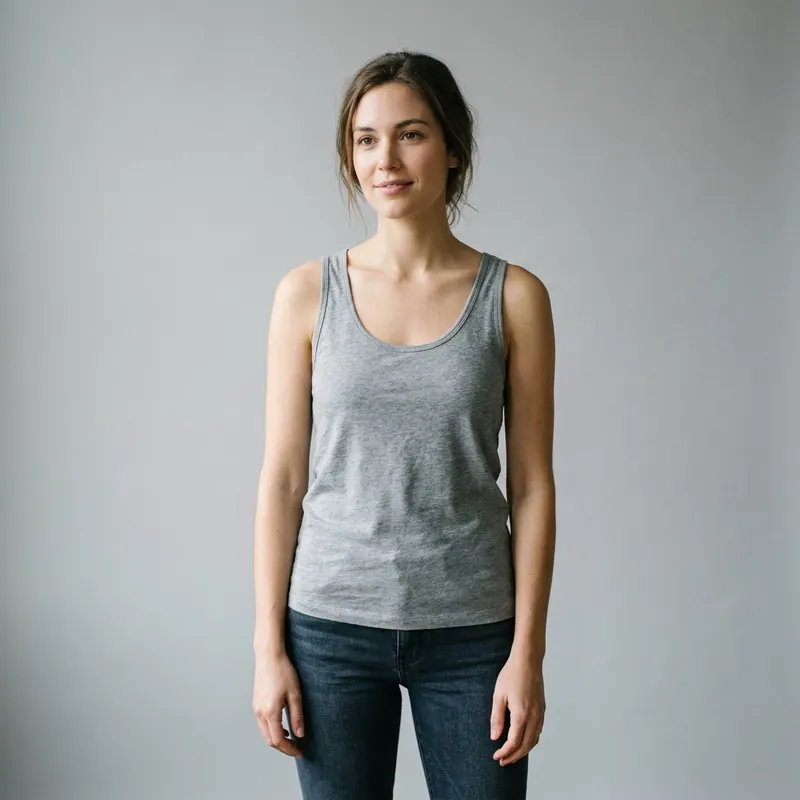
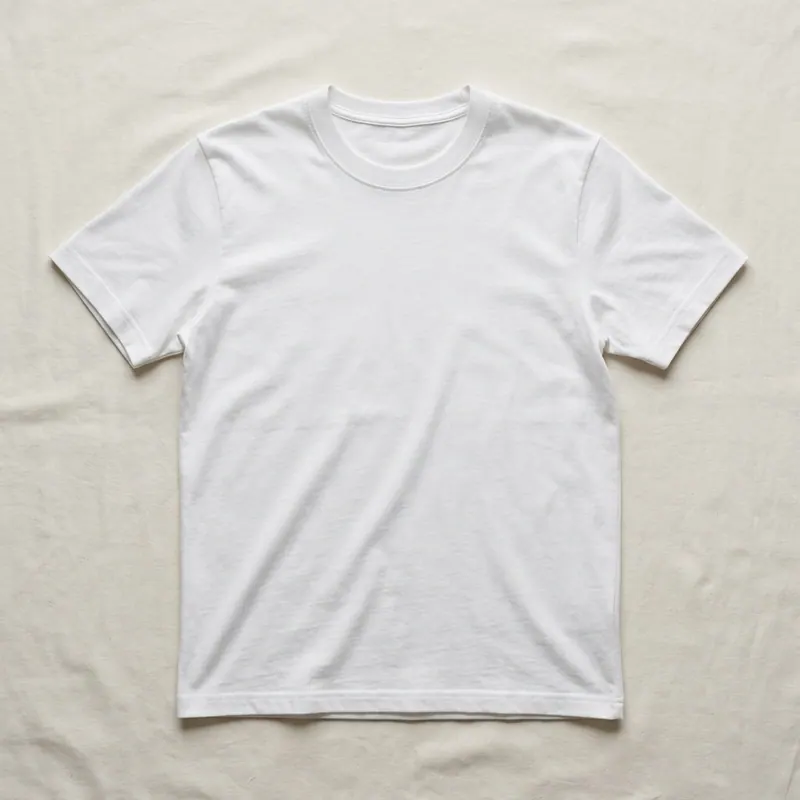
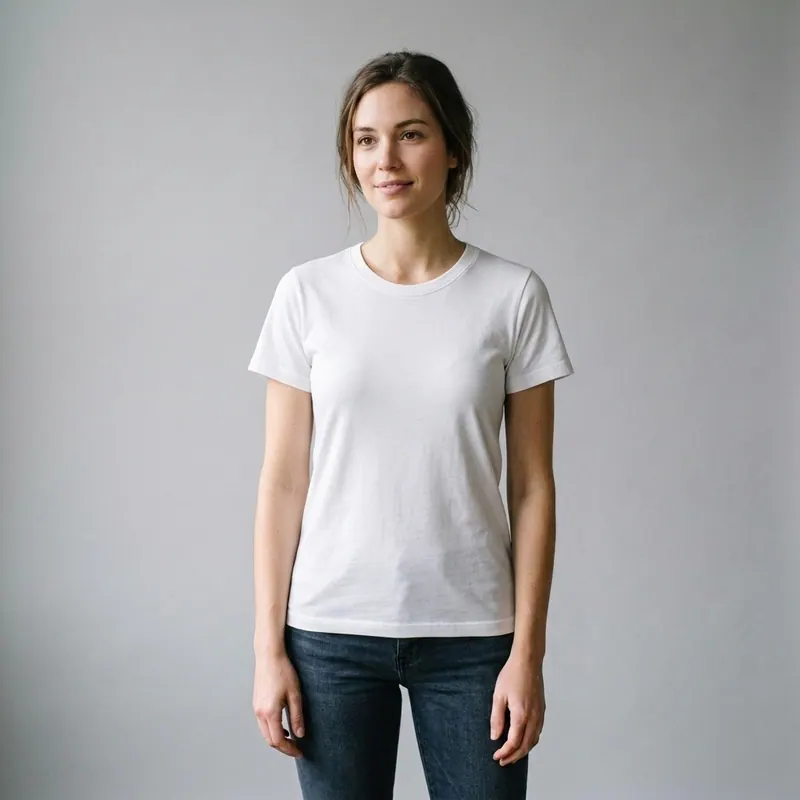
> → See oversized fits on YOUR body before you buy — free AI virtual try-on. Upload your photo, drop in any oversized piece, render in 30 sec.
Oversized fashion has gone from streetwear trend to mainstream staple. But the difference between "effortlessly cool" and "wearing your dad's clothes" comes down to a few key principles.
Never go oversized on both top and bottom. Pick one:
• Oversized top + fitted bottom: Baggy hoodie + slim jeans or leggings • Fitted top + oversized bottom: Crop top or tucked tee + wide-leg pants • Oversized top + shorts: Oversized tee + bike shorts (the model-off-duty look)
The simplest trick that changes everything. Tuck the front of your oversized shirt into your pants, leaving the back untucked.
This creates a waistline, adds shape, and makes the oversized fit look intentional rather than accidental.
For oversized dresses or shirts, add a belt at the waist. This creates an hourglass silhouette from a boxy shape.
Belt options: • Thin leather belt for subtle definition • Wide belt for a statement • Even tying the shirt in a knot at the waist works
Layering is where oversized fashion gets really interesting:
• Oversized blazer over a fitted turtleneck • Oversized cardigan with a belt • Oversized denim jacket over a midi dress
The key: each layer should add structure, not bulk.
With oversized silhouettes, your shoes anchor the whole outfit:
• Chunky sneakers or platform shoes balance volume • Pointed boots add sharpness to soft, flowy shapes • Heels elevate any oversized look instantly • Avoid: Flat, thin sneakers (they make everything look bigger)
True oversized style isn't about buying XXXL. It's about going one to two sizes up from your regular fit. This gives you the relaxed look without drowning in fabric.
Not sure if that oversized blazer will look stylish or sloppy on your body? AI virtual try-on lets you see oversized pieces on your actual proportions before committing.
Because oversized is all about how it drapes on YOUR body — and that's different for everyone.