TL;DR
• Pick mirrAR if: brand marketing weight matters more than render fidelity, your catalogue is mostly eyewear/jewellery, and you have engineering capacity for the integration.
• Pick Agalaz if: you want a believable photo-style result on clothing, swimwear, wedding dresses, suits or any non-face category, and a script-tag install instead of a custom integration.
The fundamental tech difference
mirrAR uses traditional AR overlays. Their stack tracks face or body landmarks via computer vision, then renders a 3D model on top of the camera feed in real time. The technology is mature and renders are sub-second. The newer mirrAR product layers some AI on top, but the foundation is overlay-based.
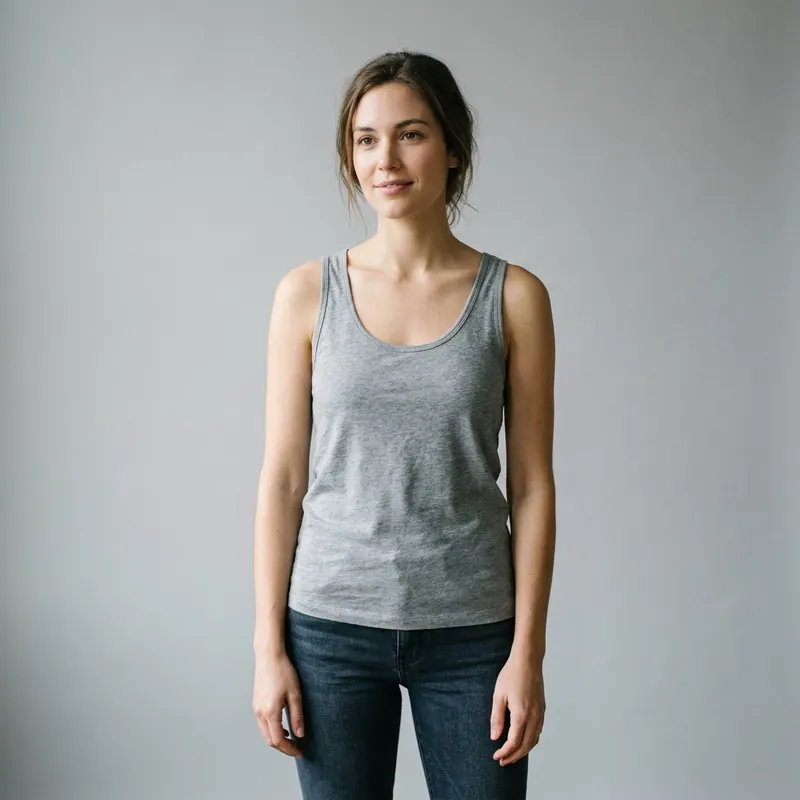
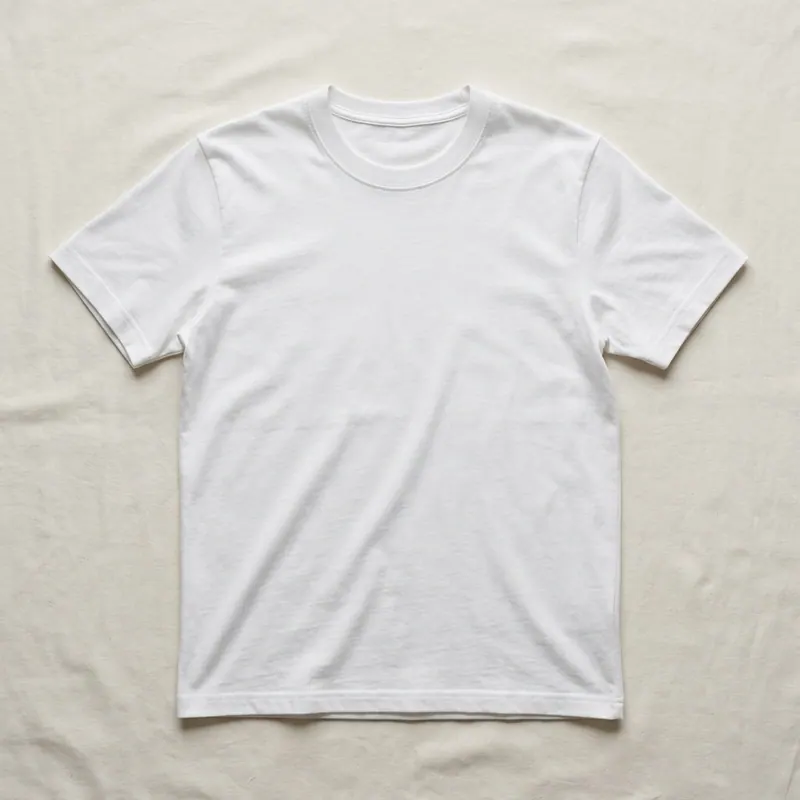
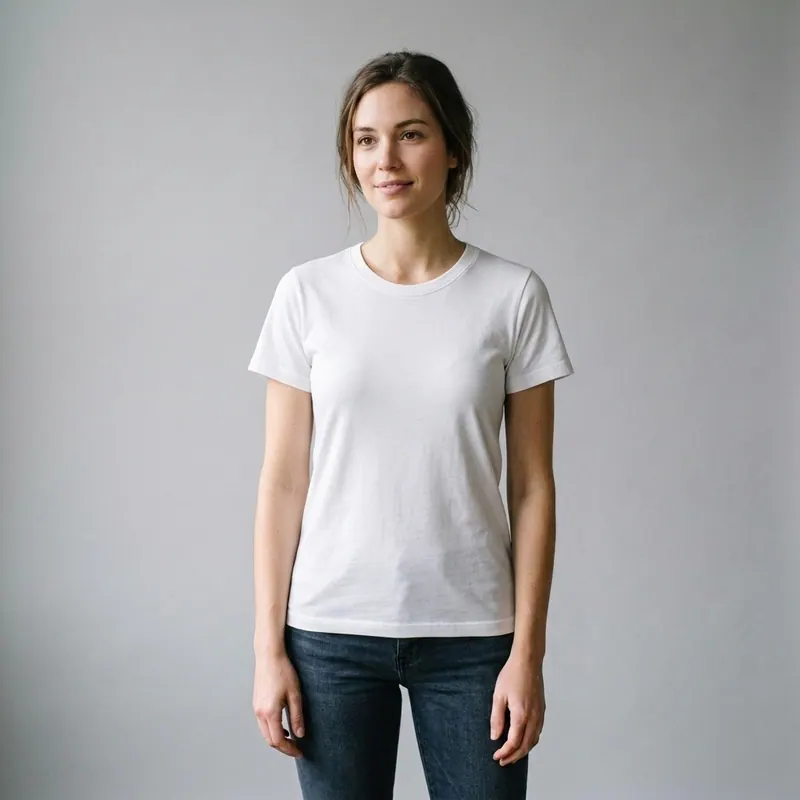
Agalaz uses generative AI rendering. Each try-on produces a fresh photorealistic image where the customer is wearing the actual product, with believable fabric drape, material realism, and body fit. Rendering takes ~10 seconds because the image is being generated, not overlaid.
For face-area products (sunglasses, lipstick), AR overlay is faster and the realism gap is small. For body-area products (clothing, swimwear, suits, dresses), generative AI looks dramatically more believable.
Side-by-side
| mirrAR | Agalaz |
|---|
| Technology | AR overlay (with newer AI hybrid layer) | Generative AI |
| Render speed | <1s | ~10s |
| Eyewear / sunglasses | Excellent | Good |
| Beauty / lipstick | Strong | Limited |
| Apparel / clothing | Improving (overlay-based) | Excellent (generative) |
| Wedding dresses / suits | Limited | Excellent |
| Jewellery on hands | Good | Good |
| Tattoos | No | Yes |
| Nail art | No | Yes |
| Install | Custom integration via SDK | ` |