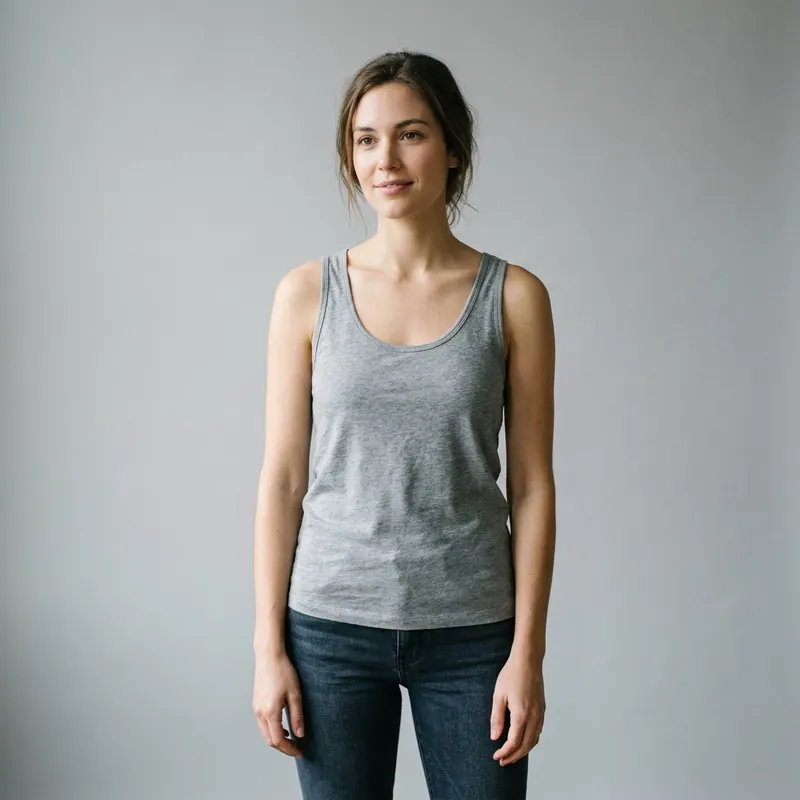
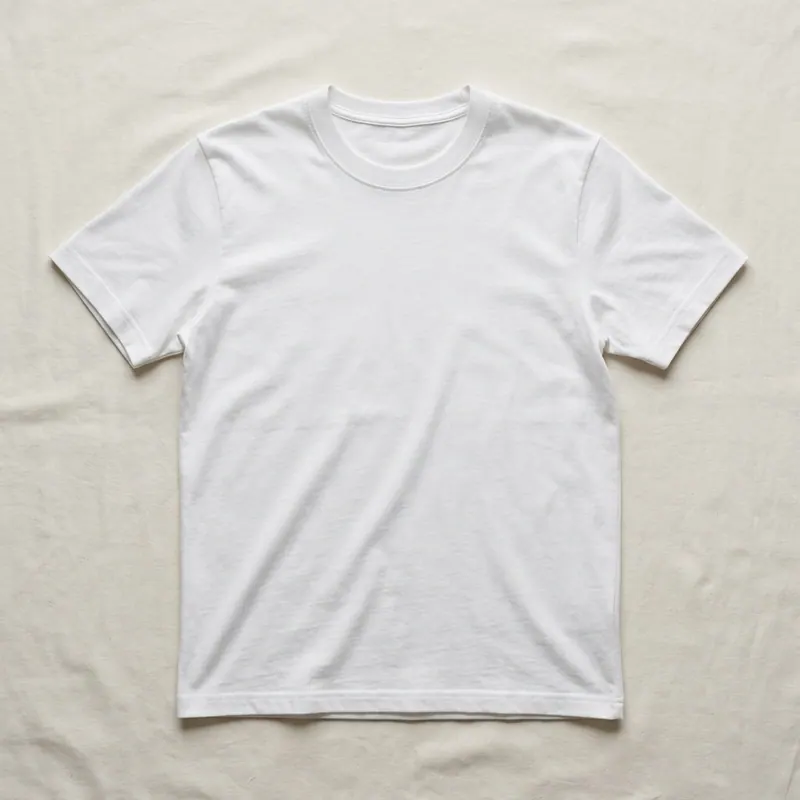
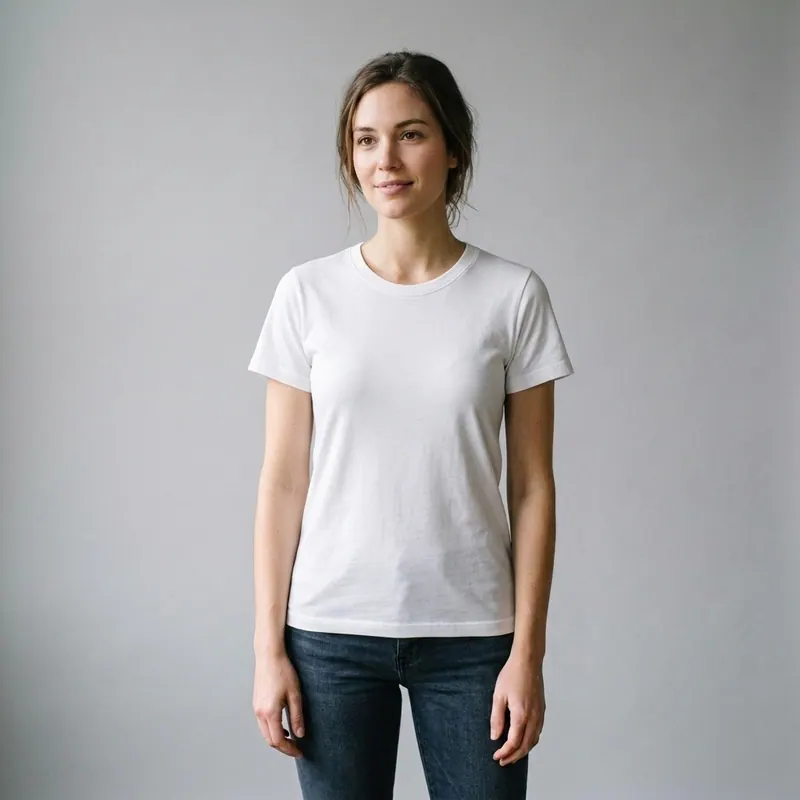
This piece walks through what the public industry data says about the impact of virtual try-on on fashion e-commerce in 2026. No vendor pitches, no fabricated case studies, no specific brand-as-customer claims that we can't substantiate.
The baseline problem
Fashion e-commerce returns sit between 30% and 40% globally as of the last available IMRG and Statista figures. Womenswear runs at the high end (~40%), menswear lower (~25%), accessories well under that. The single biggest driver across multiple surveys is fit anxiety — customers cannot tell if a garment will look right on their actual body, so they buy two sizes, return one, sometimes return both. Adjacent drivers include "quality looks different in person" and "colour didn't match the photo".
In a 35%-return world, a €5M-revenue fashion DTC handles roughly €1.75M of returned merchandise per year. Reverse logistics costs €4-12 per parcel; markdown on returned stock runs 20-50%. The total contribution margin lost to returns is typically 8-15% of revenue. It is the single largest hidden cost in the model and the most direct lever for profitability improvement.
Why earlier try-on tech missed
The 2010-2020 generation of virtual try-on was AR-overlay based: face or body landmarks tracked by computer vision, with a 3D model of the product rendered on top of the live camera feed. This approach works extremely well for face-area products (sunglasses, lipstick, eye makeup) and falls apart on body-area products (clothing, swimwear, suits) because:
1. Fabric drape cannot be simulated convincingly by a 3D model overlay. Drape depends on the specific fabric weight, the customer's body shape, and the way the garment was sewn — all things a generic 3D mesh has no information about.
2. Material realism is hard. Light interaction with silk vs polyester vs cotton produces visibly different appearances. AR overlays can't reproduce this.
3. Body shape variability is wide. A model built around a "standard" body shape produces uncanny results on any customer who deviates, which is most customers.
Adoption mirrored these limits. Eyewear and beauty saw rapid AR adoption with measurable conversion impact. Apparel saw scattered deployments that produced demos but rarely produced sustained merchant return on the investment.
What changed with generative AI
The current generation of virtual try-on, available from 2024 onward at production quality, uses generative AI image models trained on millions of real photographs of real garments on real bodies. Instead of overlaying a 3D model, the system generates a fresh photorealistic image where the customer's actual body is wearing the actual product. The technology produces:
• Believable fabric drape that matches the specific fabric type
• Realistic light interaction across material types
• Faithful preservation of body shape, skin tone and pose
• Multi-category coverage (clothing, swimwear, suits, jewellery, eyewear, hats, footwear, bags, tattoos, nail art) from one engine
Render time is ~10 seconds, which is the trade-off: each try-on is a generated image, not an overlay. For a customer making a €60-300 purchase decision, 10 seconds is acceptable.
What the merchants are reporting in 2026
Public reports from instrumented merchants who deployed generative-AI try-on across 2024-2025 show consistent ranges, even though specific numbers vary by category and store size:
• Return rate reduction of 15-30% for the cohort of customers who used the try-on. This is consistent across multiple Shopify Plus case-study reports and IMRG surveys. Note the cohort qualifier — only customers who engaged with try-on count, which is typically 20-50% of all visitors.
• Conversion lift of 5-15% at the product-page level for try-on-engaged sessions. The lift comes from removing the "will this look right on me?" objection at the moment of purchase.
• AOV lift of 3-10%, often via cross-sell of complementary items the customer can also try on.
The wider fashion industry — not vendor pitches, but reported by analyst firms like Salesforce, Shopify Plus, and Klarna in their 2025 retail trend reports — has moved from "experimental" to "productive" classification for generative virtual try-on. Major fast-fashion retailers including Zara, H&M, Asos and Shein have all publicly invested in their own AI try-on infrastructure (none of them are Agalaz customers; we're naming them as industry directional signals from public press, not implying any commercial relationship).
For the long tail of mid-market and DTC merchants who can't fund proprietary try-on infrastructure, the question is whether to build or buy. The answer in 2026 is overwhelmingly buy: the engineering and AI talent cost of building a competitive in-house renderer dwarfs the per-render economics of integrated solutions like Agalaz, Genlook, mirrAR or others.
Where the impact is largest
Not all categories see equal benefit:
• Tight-fit, high-stakes apparel (wedding dresses, suits, swimwear, formalwear): the largest impact, because the cost of a fit failure is highest and the customer's purchase decision is most fit-dependent. Some merchants in these categories report return-rate reductions at the upper end of the 15-30% range.
• Accessories and statement pieces (jewellery, glasses, hats, statement bags): meaningful conversion lift because the customer can confirm "this looks right with my style". Returns are already lower in this category, so return-rate reduction is less dramatic.
• Loose-fit basics (oversized tees, hoodies, baggy jeans): smaller impact because the customer already accepts fit variance. Try-on still helps but the lever is smaller.
• Off-the-shelf pure commodity (white tees, blank socks): negligible — the customer already knows what it will look like.
The implication for merchants: deploy try-on first on your top-revenue, top-return categories, not on every SKU. The ROI ladder is steep.
What still doesn't work in 2026
A few oversold claims should be filtered:
• "40% conversion lift" — no public, audited deployment shows this. The realistic range is 5-15%.
• "80% return reduction" — the math doesn't hold up to scrutiny. 20-30% reduction within the engaged cohort is what well-instrumented merchants report.
• "AI sizing recommendations" as a substitute for try-on — multiple A/B tests have shown that generic "you're a Medium" recommendations underperform a clear brand-specific size chart. AI sizing works only with merchant-specific fit data, which most stores don't have.
• AR overlays for clothing — still the wrong tool for the job, despite vendor pitches that don't acknowledge the technology gap.
What this means for fashion DTC merchants
If you operate in the €1M-€50M revenue range with a meaningful apparel mix:
1. Treat virtual try-on as table-stakes within 12 months. The merchants who have deployed it are starting to pull ahead on return rates and conversion. The gap will widen.
2. Buy, don't build. The build economics don't pencil out below ~€100M revenue.
3. Pick the vendor whose rendering fidelity matches your category. For multi-category catalogues that include clothing + accessories + eyewear, generative AI tools like Agalaz cover more of the surface area with one integration. For pure-eyewear stores, established AR is faster.
4. Instrument it from day one. Track try-on engagement rate, return rate by engaged-vs-unengaged cohort, conversion lift on product pages with the widget, AOV impact. Without instrumentation you're guessing.
5. Pair it with a good size chart and realistic photography. Try-on amplifies the entire size and fit story; it cannot rescue a bad one.
Where Agalaz fits
Agalaz is one of several merchant-grade options in 2026, with positioning notes:
• Generative AI rendering, not AR overlay, so it works on body-area products
• Multi-category by design (apparel + accessories + eyewear + tattoos + nail art) in one integration
• `