Las devoluciones cuestan más que el reembolso en sí. Están los gastos de envío, reempaquetado, inspección de calidad, reposición, y las prendas que vuelven dañadas o invendibles. Para una tienda que factura €100K/mes, las devoluciones pueden comerse fácilmente €15-25K.
Pero el problema real? La mayoría de devoluciones ocurren porque el cliente no pudo predecir cómo se vería y le quedaría la prenda. No porque el producto sea malo — porque la experiencia de compra les falló.
Esta guía cubre 8 estrategias probadas para reducir las devoluciones en tu tienda de ropa online — con datos reales de 2026.
Por Qué los Clientes Devuelven Ropa Online
Antes de arreglar las devoluciones, entiende por qué ocurren:
| Razón de Devolución | % del Total | ¿Prevenible? |
|---|
| No le queda bien | 52% | Sí — con herramientas de talla |
| Se ve diferente a lo esperado | 26% | Sí — con mejores fotos |
| Color/tono incorrecto | 12% | Parcialmente — problemas de iluminación |
| Cambió de opinión | 7% | Parcialmente — mejor experiencia pre-compra |
| Defectuoso/dañado | 3% | Control de calidad |
78% de las devoluciones son prevenibles con mejores herramientas pre-compra. Esa es tu oportunidad.
Para un análisis profundo de por qué la ropa se ve diferente online, lee nuestro artículo sobre por qué la ropa se ve diferente online vs. en persona.
Estrategia 1: Implementar Prueba Virtual con IA
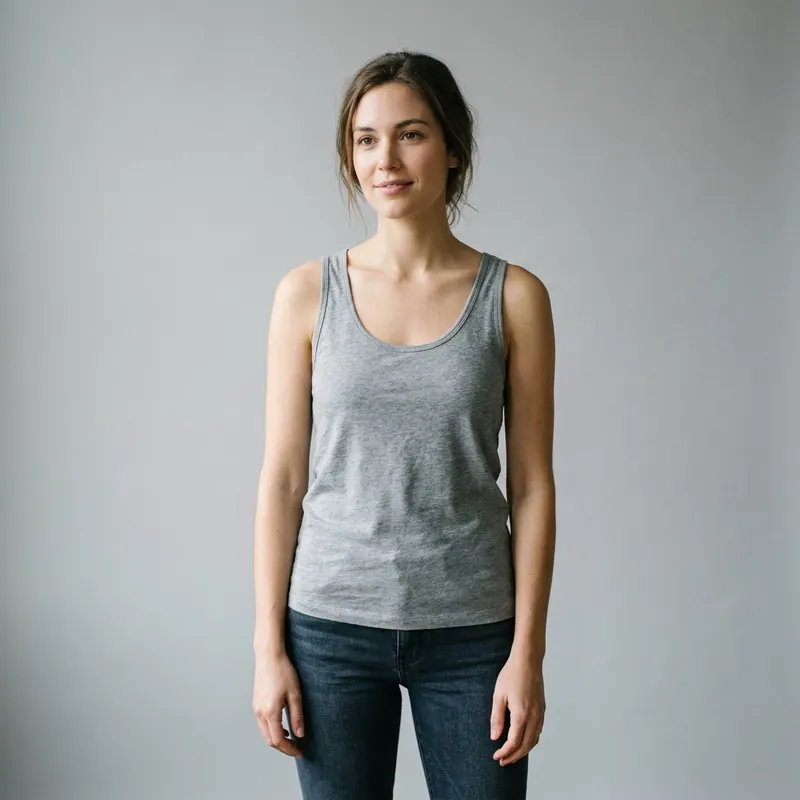
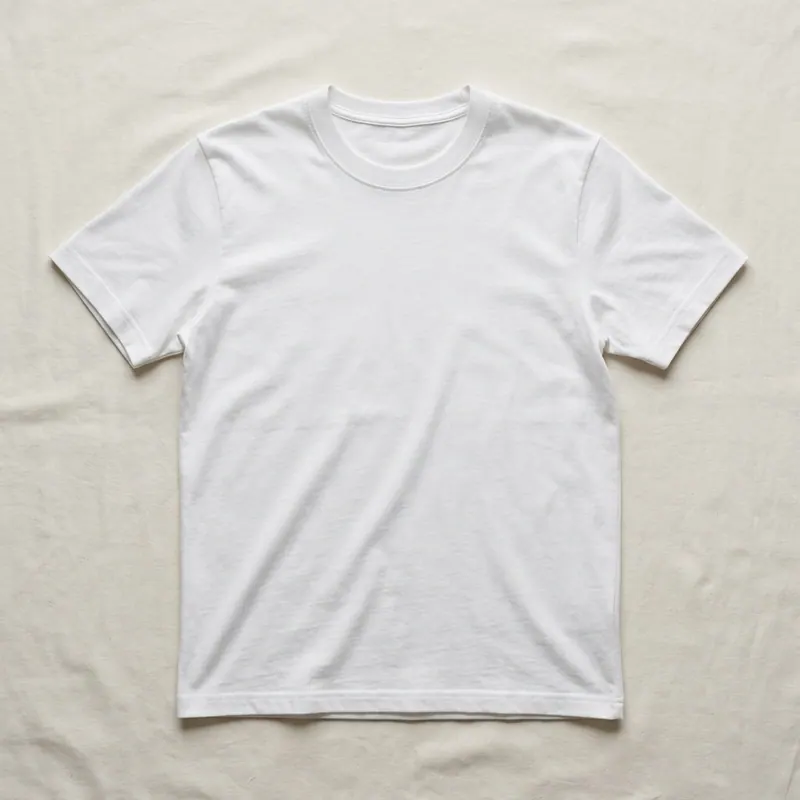
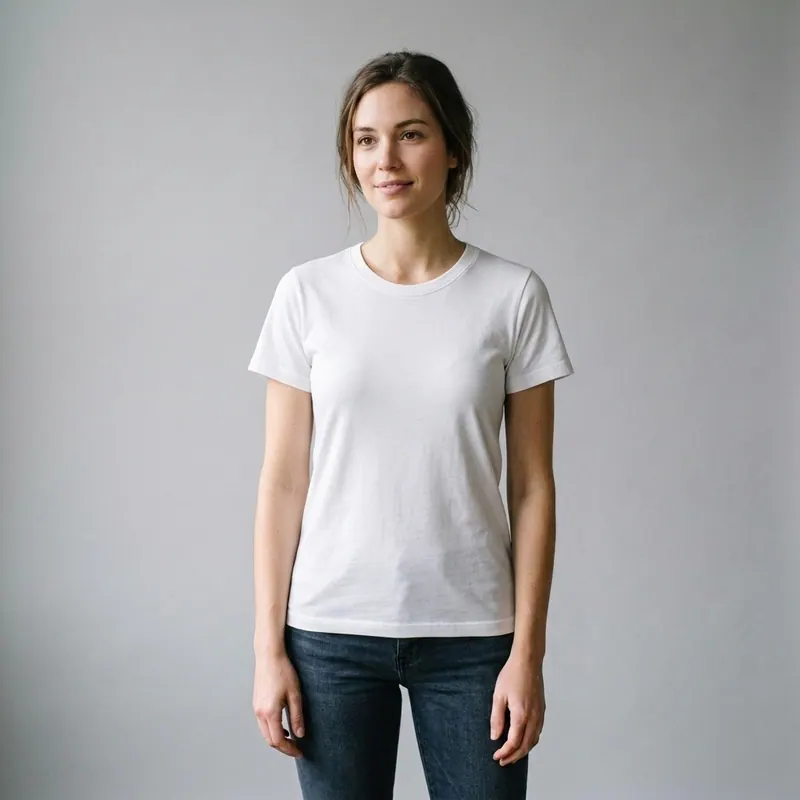
Este es el cambio de mayor impacto que puedes hacer en 2026. La prueba virtual con IA permite a tus clientes ver TUS prendas en SU cuerpo antes de comprar.
Cómo funciona:
1. El cliente sube una foto suya
2. Selecciona un producto de tu tienda
3. La IA renderiza una imagen fotorrealista con la prenda puesta
4. Compra con confianza — o no compra (ahorrándote una devolución)
Impacto en devoluciones: Las tiendas que implementan prueba virtual reportan 28-35% de reducción en devoluciones en los primeros 3 meses.
¿La forma más fácil de añadirlo? Agalaz Virtual Try-On — un widget que se integra con cualquier plataforma ecommerce (Shopify, WooCommerce, custom) en menos de 10 minutos. Tus clientes obtienen un botón "Pruébatela con IA" en cada página de producto.
Sin desarrollo necesario. Solo añade el script y estás en vivo.
Estrategia 2: Guías de Tallas que Realmente Funcionen
Las tablas genéricas S/M/L son inútiles. Tu cliente no sabe si sus 88cm de pecho son una M en TU marca.
Qué Funciona en 2026
• Talla comparativa: "Si usas M en Zara, pide L en nuestra marca"
• Medidas específicas por prenda (no solo talla genérica de marca)
• Descripción del fit: "Esta camisa queda ajustada en los hombros" o "Corte relajado — baja una talla si prefieres ceñido"
• Medidas del modelo: "Modelo mide 1.75m, 59kg, lleva talla S"
Qué NO Funciona
• Una tabla genérica S/M/L con rangos en cm
• "Talla fiel" sin contexto
• Ninguna guía de tallas (te sorprendería cuántas tiendas se la saltan)
Nuestro artículo sobre cómo saber si la ropa te quedará sin probártela cubre exactamente qué necesitan los clientes para decidir la talla.
Estrategia 3: Múltiples Fotos de Producto desde Cada Ángulo
La razón #1 por la que la ropa "se ve diferente a lo esperado" es fotografía insuficiente.
Set Mínimo de Fotos por Producto
1. Vista frontal — en modelo con ajuste visible
2. Vista trasera — los clientes necesitan ver la prenda completa
3. Vista lateral — muestra cómo cae y la silueta
4. Foto de detalle — textura de tela, botones, cremalleras, costuras
5. Foto lifestyle — la prenda en contexto real
6. Flat lay — la prenda extendida para ver patrón y color con precisión
Bonus: Vídeo
Un vídeo de 15 segundos de un modelo caminando con la prenda reduce devoluciones un 12-18% según datos ecommerce de 2026. El movimiento muestra cómo se comporta la tela, algo que las fotos no capturan.
Estrategia 4: Descripciones Detalladas de Tela y Material
"100% algodón" no dice casi nada. Necesitan saber:
• Peso: ¿Es un algodón grueso de invierno o fino de verano?
• Elasticidad: ¿Tiene elastano? ¿Cuánto da de sí?
• Transparencia: ¿Se transparenta? ¿Necesita camiseta debajo?
• Textura: ¿Suave? ¿Texturizado? ¿Rígido?
• Cuidado: ¿Encoge al lavar? ¿Se arruga fácilmente?
Ejemplo de mala descripción:
"Camisa de algodón. Lavable a máquina."
Ejemplo de buena descripción:
"Algodón cepillado de peso medio (180gsm). Ligeramente texturizado, opaco. 2% elastano para estiramiento cómodo. Pre-encogido — no encogerá más. Corte relajado en el cuerpo, ligeramente entallado en la cintura."
Estrategia 5: Reviews de Clientes con Detalles Corporales
Incentiva a los clientes a incluir datos de su cuerpo en las reseñas:
• Altura y peso
• Talla comprada
• Cómo queda (pequeña/fiel/grande)
• ¿Recomendarían subir o bajar de talla?
Pro tip: Añade preguntas estructuradas en vez de un cuadro de texto vacío. Pregunta:
• "¿Qué talla pediste?"
• "¿Cómo es el ajuste comparado con marcas similares?"
• "¿Recomendarías una talla diferente?"
Las reseñas estructuradas son 3 veces más útiles para reducir devoluciones que las reseñas de texto libre.
Estrategia 6: Política de Devolución Liberal (Contraintuitivo)
Suena al revés, pero las tiendas con políticas de devolución más fáciles tienen tasas de devolución neta más bajas. ¿Por qué?
• Los clientes compran con más confianza cuando saben que devolver es fácil
• Es más probable que se queden con artículos sobre los que dudan
• La señal de confianza reduce las "devoluciones de pánico"
La clave: haz que la experiencia pre-compra sea tan buena que las devoluciones se vuelvan innecesarias, mientras mantienes la red de seguridad disponible.
Estrategia 7: Emails Post-Compra de Confirmación de Fit
Envía un email automático 2-3 días después de la entrega:
Asunto: "¿Cómo te queda tu [Nombre del Producto]?"
Incluye:
• Check rápido de ajuste: "¿Te queda como esperabas? Sí / No"
• Si no: Ofrece un cambio (no solo devolución) con recomendación de talla
• Link a tu guía de tallas para su próxima compra
• Invitación a dejar reseña
Esto captura problemas de ajuste temprano y convierte potenciales devoluciones en cambios (preservando ingresos).
Estrategia 8: Reducir Tiempo de Procesamiento
Las devoluciones aumentan cuando la entrega tarda demasiado. ¿Por qué? Los clientes:
• Olvidan por qué lo pidieron
• Encuentran alternativas mientras esperan
• Compran por impulso en otro sitio y ahora tienen duplicados
Cada día de retraso en el envío aumenta la probabilidad de devolución ~1%. Una entrega de 10 días tiene 10% más devoluciones que una de 3 días.
Envío rápido = menos devoluciones. Así de simple.
El ROI de Reducir Devoluciones
Hagamos los números para una tienda que factura €50.000/mes:
| Métrica | Antes | Después (-30% devoluciones) |
|---|
| Ventas mensuales | €50.000 | €50.000 |
| Tasa de devolución | 35% | 24,5% |
| Valor de devoluciones | €17.500 | €12.250 |
| Costo de procesamiento (~€8/artículo) | €5.250 | €3.675 |
| Ingresos netos ahorrados/mes | — | €6.825 |
| Ahorro anual | — | €81.900 |
Una reducción del 30% en devoluciones ahorra €81.900/año para una tienda de €50K/mes. El costo de implementar prueba virtual + mejores guías de tallas? Una fracción de eso.
Checklist de Implementación Rápida
1. Añadir prueba virtual con IA a las páginas de producto (mayor impacto)
2. Reescribir guías de tallas con comparaciones y descripciones de ajuste
3. Añadir mínimo 5 fotos por producto + vídeo si es posible
4. Expandir descripciones de material más allá del tipo básico de tela
5. Añadir preguntas estructuradas de reseña sobre ajuste y talla
6. Enviar emails post-compra de confirmación de ajuste
7. Optimizar velocidad de envío
8. Monitorear razones de devolución mensualmente y adaptar
Conclusión
Las devoluciones son el asesino silencioso de la rentabilidad en moda online. Pero 78% de ellas son prevenibles con las herramientas pre-compra adecuadas.
¿La acción de mayor impacto? Dar a los clientes la capacidad de ver tu ropa en su cuerpo antes de comprar. La prueba virtual con IA hace esto posible para cualquier tienda, cualquier tamaño, cualquier presupuesto.
Añade Agalaz Virtual Try-On a tu tienda →