Reducing Fashion E-commerce Returns: A Complete 2026 Guide
Fashion e-commerce returns hover between 30% and 40% globally — roughly three times the rate of non-apparel categories. For a €5M-revenue store running at 35% returns, that is €1.75M of merchandise flowing back through warehouses every year, plus reverse-logistics costs of €4-12 per parcel and a markdown rate on returned stock of 20-50%. Returns are quietly the biggest hidden cost in the model.
This guide walks through what actually drives that baseline, which interventions move the needle (with rough magnitudes from public industry data), and the order in which to deploy them.
Where the 30-40% baseline comes from
Industry surveys from IMRG, Statista, Shopify and the National Retail Federation all converge on similar numbers. The 30-40% range hides large differences by sub-category:
• Womenswear: ~40% (the high end, driven by sizing and fit variability) • Footwear: ~35% (sizing across brands is wildly inconsistent) • Menswear: ~25% (less size variability, fewer fit nuances) • Accessories (non-fitted): ~10-15% (returns are usually defects, not fit) • Childrenswear: ~30% (kids grow between order and delivery, surprisingly often)
Drilling down further, the single biggest driver is fit anxiety. Multiple surveys put it at 60-70% of all fashion returns. The other major buckets are:
• Quality / material disappointment — 15-25% ("the fabric looks cheaper in person") • Style / colour mismatch — 5-15% ("the colour is different from the photo") • Defects / damage — <5% in well-run stores • Bracketing (intentional overordering of sizes) — 10-20%, overlapping with fit anxiety
If you only have time to attack one driver, attack fit anxiety. It is more than half the problem.
The seven interventions that actually move the needle
Below, ordered by impact for the typical fashion DTC merchant. Numbers are realistic ranges from public case studies and merchant-reported figures, not vendor pitches.
1. Better sizing data on the PDP (high impact, low effort)
Most fit returns come from customers who picked the wrong size to begin with. The fix is not just publishing your size chart — it's making sure shoppers actually see and use it.
What works: • Brand-specific measurements, not just S/M/L. Customers know their bust/waist/hip. They do not know your S/M/L. • Inline placement, near the size selector, not buried in a tab. • "Most customers your height/weight pick size X" — even if it's a rough estimate, social proof on sizing reduces decision paralysis.
Realistic impact: 5-12% reduction in fit-related returns. Low cost, deploy in a sprint.
2. Realistic product photography (medium impact, medium effort)
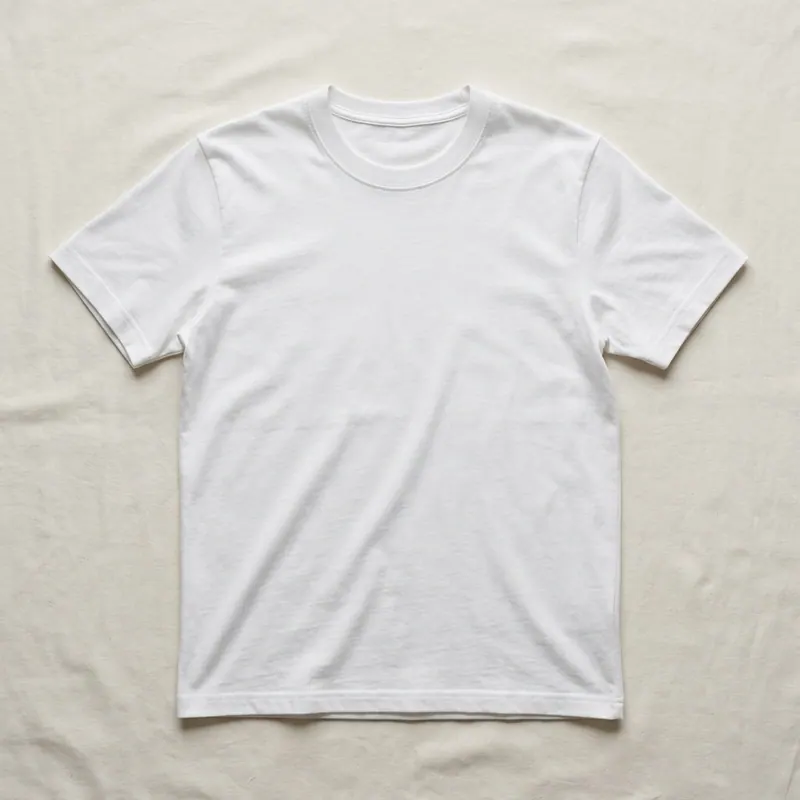
Stock-style flat-lay photography misleads customers about drape, fit and material. Switching to: • Multiple body types (size 8 / size 14 / size 20) on the same garment • Movement video (15s loop showing how the fabric drapes) • Detail shots of stitching, lining, hem
… reduces "quality disappointment" returns. Realistic impact: 3-8% reduction in non-fit returns. Photoshoot cost is non-trivial but amortizes across the year.
3. Virtual try-on (medium-high impact, low-medium effort)
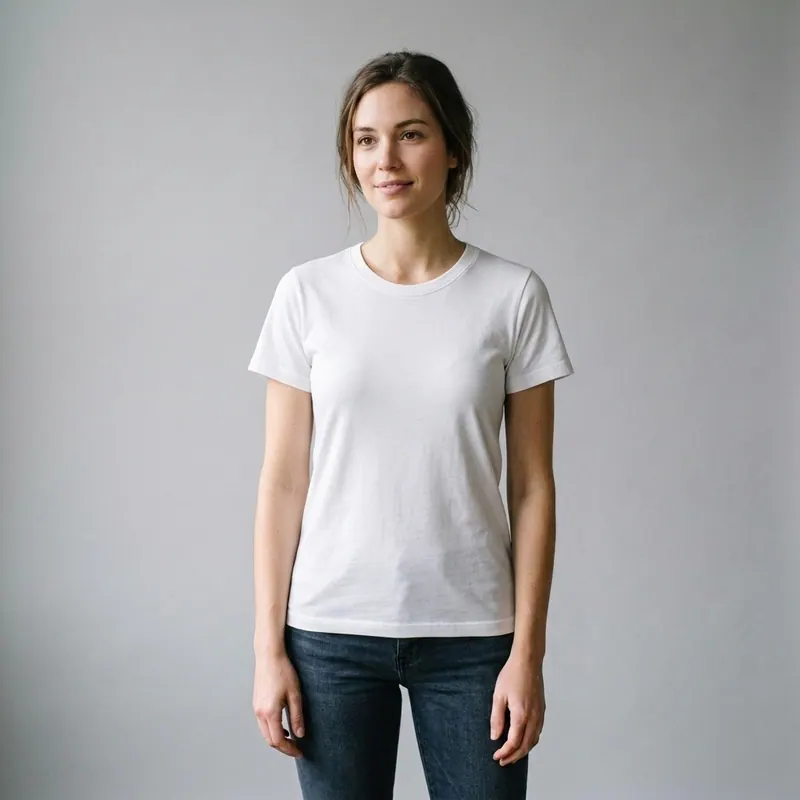
The technology has matured to the point where a customer sees a believable photorealistic image of themselves wearing the garment before checkout. This attacks fit anxiety directly: instead of guessing how the item will look on their body, they see it.
Public reports from merchants who instrumented this properly suggest:
• 15-30% reduction in fit-related returns for the customers who actually used the try-on • 5-15% lift in product-page conversion because the "will this look right?" objection is removed at the moment of purchase • Higher AOV because customers add complementary items they can also try on
The effect varies wildly by category. Tight-fit categories (swimwear, wedding dresses, suits) see the biggest impact because the cost of fit failure is highest. Loose-fit categories (oversized tees, baggy jeans) see less impact because customers already accept fit variance.
Setup time has dropped to a script-tag install — see How to Add Virtual Try-On to WooCommerce or Best Shopify Virtual Try-On Apps in 2026 for vendor and integration guidance.
4. Free returns vs. paid returns (you already know this one)
Switching from free returns to paid returns reduces return volume by 15-30% but cuts conversion by 5-15%. Most merchants who tried it in 2023-2024 reverted within six months because the conversion drop dominated the return savings.
The current best practice from large fashion DTCs:
• Free returns within 7 days, paid returns 8-30 days. Maintains "guilt-free purchase" psychology while filtering casual late returners. • Free returns for full-price items, paid returns for sale items. Makes economic sense and customers accept the asymmetry.
Magnitude: depends entirely on your current policy. The right answer is rarely "make returns expensive" — it's "make returns slightly less expensive than the customer expected".
5. Returns insights and per-SKU action (low-effort, sustained impact)
Most stores look at the headline return-rate number and stop there. Drilling down by SKU surfaces fixable problems:
• A specific SKU at 65% returns probably has a fit problem (size chart wrong, fabric not behaving as photographed) • A repeat-customer who returns 100% of their orders is bracketing — segment them out of free returns • A specific country with 60% returns probably has a duties surprise problem at delivery, not a fit problem
Realistic impact varies wildly. The average store has 5-10% of its catalogue contributing 30%+ of returns. Fixing or pulling those SKUs is a one-time win of 5-15%.
6. Better email and post-purchase communication (low-effort)
Two specific email touches reduce returns:
• Pre-delivery: "Your order is arriving tomorrow — here's how to tell if it fits. If sizing is off, the fastest exchange path is X." • Post-delivery (3 days): "How does it fit? Reply with sizing feedback for 10% off your next order." Captures qualitative data and surfaces problem SKUs.
Realistic impact: 2-5% return reduction. Easy to deploy, high ongoing operational value.
7. Loyalty program tied to keep-rate (advanced)
Some DTCs have started giving loyalty points for purchases the customer keeps (not for purchases made). It changes the customer's mental model from "I'll just order three sizes" to "I'll order one and earn the reward".
Realistic impact: 3-7% return reduction over a year. Significant program-design work upfront.
What does NOT work (despite vendor claims)
A few interventions are oversold in 2026:
• AR mirrors as the only fit signal. Pure AR overlays for clothing have been around since 2018 and have never moved fit-return numbers in published case studies. Generative AI try-on is different (point #3 above) — confusing the two leads to disappointed buyers. • Generic "fit quiz" widgets. Three-question quizzes telling customers their size based on height/weight produce results that are ~60% accurate, which is worse than a customer self-selecting from a brand-specific size chart. • AI sizing recommendations without merchant-specific data. Brand fit varies so much that an off-the-shelf "you're a Medium" recommender across brands is essentially noise.
Putting it in order
If you have one quarter of engineering and marketing capacity, here's the order with the best ratio of effort to impact:
1. Fix the size chart presentation (1 sprint, fast win) 2. Identify your worst-offender SKUs and fix or pull them (1 sprint, sustained win) 3. Add virtual try-on to your top-revenue PDPs (2-day install, weeks of measurement) 4. Re-photograph your top 10 SKUs with multiple body types and movement video (4-8 weeks of production) 5. Tweak your returns policy and post-purchase emails (1 sprint each)
In our experience the median fashion DTC store running this playbook over six months sees:
• 10-20% reduction in headline return rate • 5-12% lift in product-page conversion (mostly from the try-on) • 3-8% lift in AOV (from try-on cross-sell) • 4-9% lift in repeat purchase rate (from better fit -> better experience)
Net contribution to revenue is typically 8-15% in the same period. For a €5M-revenue store, that's €400-750k of additional contribution at near-zero marginal cost — most of it from work you should be doing anyway.
Where Agalaz fits
Agalaz is the virtual try-on layer in step 3. Two-line script-tag install on Shopify and WooCommerce, generative AI rendering across clothing, glasses, jewellery, hats, shoes, bags, even tattoos and nail art. 7-day free trial with 50 renders included.
If you've already done steps 1 and 2 from the playbook above, start the trial here. If you have not, do step 1 first — try-on amplifies a good size chart but cannot rescue a bad one.
For the platform-specific install guides:
• Shopify Virtual Try-On App • WooCommerce Virtual Try-On Plugin (it's not actually a plugin) • REST API for custom integrations
For the comparison of which try-on vendor to pick, see Best Shopify Virtual Try-On Apps in 2026.