Blog/Job Interview Dress Code Trends 2026 — What Actually Changed
6 min read·May 14, 2026
Job Interview Dress Code Trends 2026 — What Actually Changed
Dress codes for interviews have changed more in the last 24 months than in the previous decade. Hybrid work, gender-neutral fashion, and a generational handoff in HR have all reshaped what hiring managers expect to see when you walk into the room (or open the video call).
Here's what's actually shifted in 2026 — and the 7 outdated rules you can stop following.
What Changed in 2026
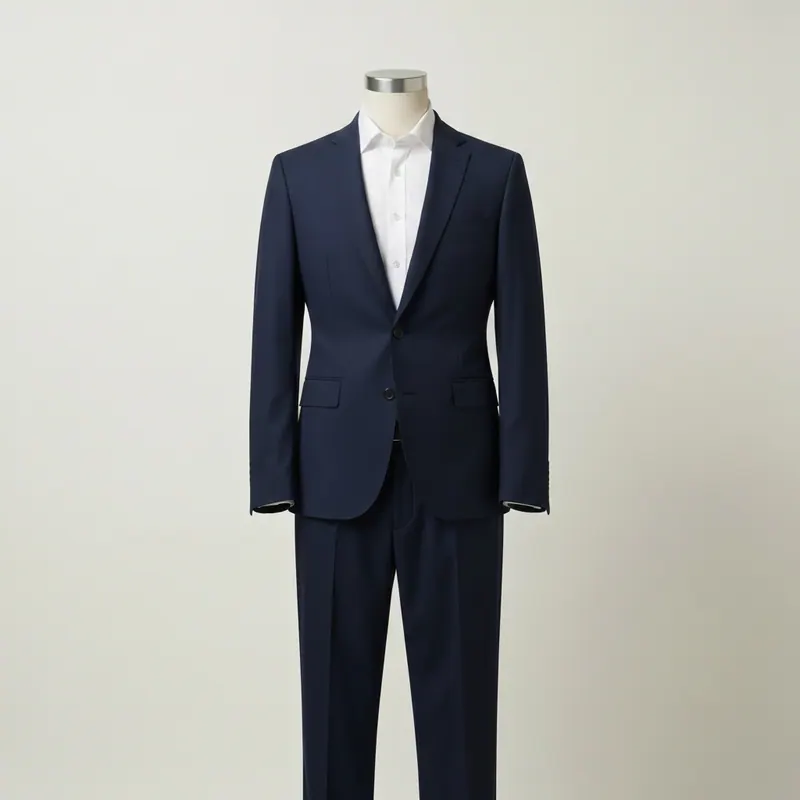
1. The "always wear a suit" rule is dead
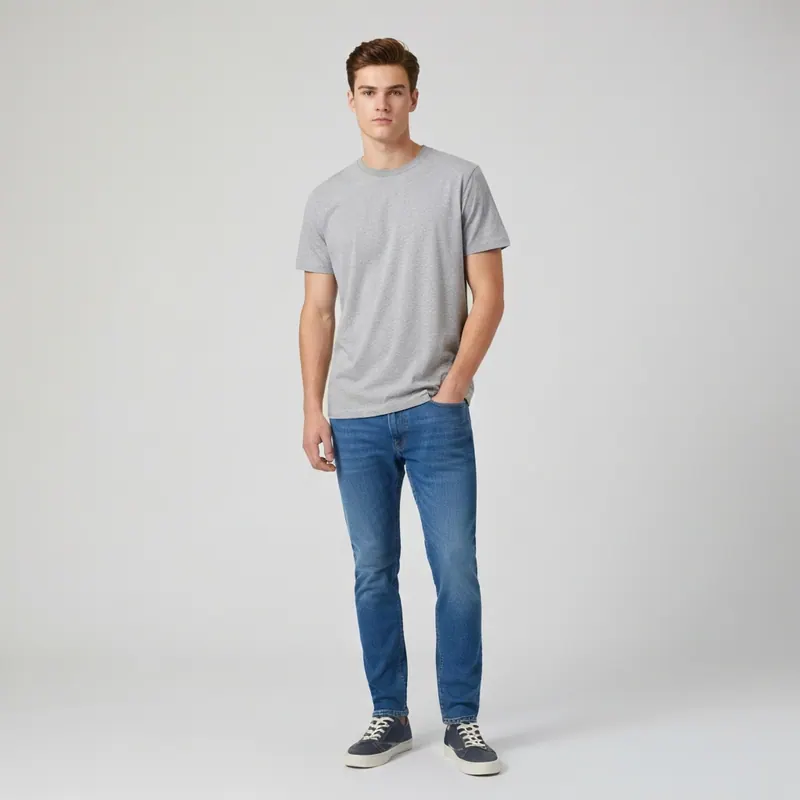
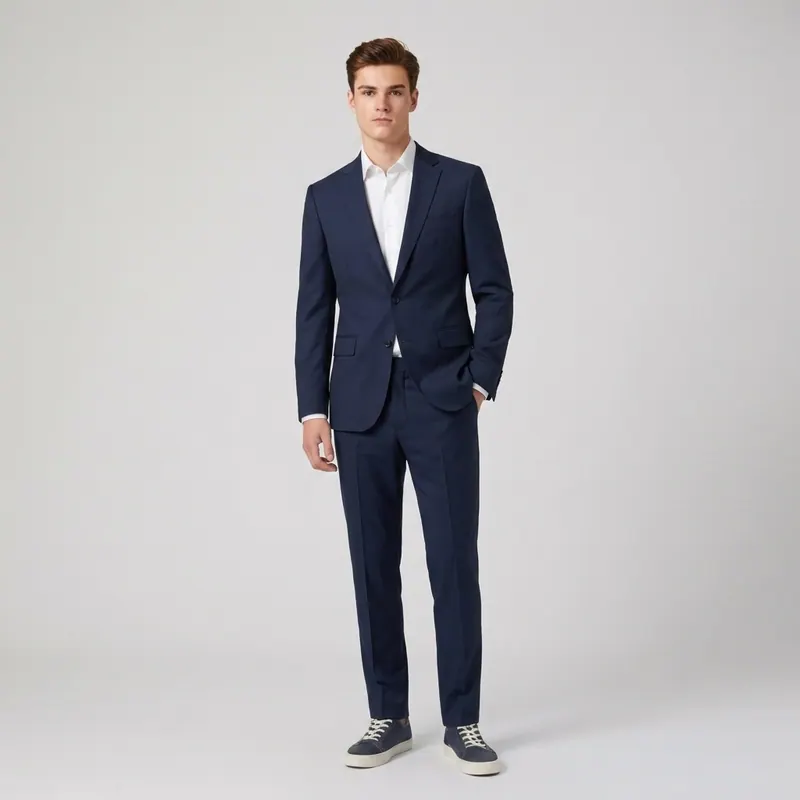
Outside of finance, law, and senior corporate, a full suit can now read as trying too hard or out of touch. Smart-casual one notch above the daily dress code is the new baseline.
2. Sneakers entered the chat (selectively)
In tech, design, and modern creative sectors, clean white or black leather sneakers (Common Projects, Veja, premium minimalist) are interview-acceptable when paired with tailored chinos and a blazer. Five years ago this would have read as disrespectful — now it reads as confident and current.
What's still NOT acceptable: sport sneakers, anything with heavy branding, dirty soles.
3. The "color is unprofessional" rule softened
A burgundy blazer, deep olive trousers, or rust-colored knit are now welcome in mid-to-senior interviews when paired with otherwise neutral pieces. The principle: ONE color statement, never two competing.
4. Gender-neutral pieces are normalized
Pinstripe trousers, structured blazers, button-downs — interviewers under 40 increasingly don't read "men's" vs "women's" cuts as anything other than style preferences. Wear what fits and flatters your body, not what's filed in a department.
5. Video-interview-specific dressing emerged
For remote interviews, the new rules:
• Top-half hyper-formal, bottom-half can be smart-casual (your interviewer only sees waist up — but stand up at some point and you don't want to be in pajama pants)
• Solid colors over patterns (small camera resolution destroys complex patterns)
• Avoid pure white (blows out exposure under most webcam auto-exposure)
• Glasses with anti-glare coating (reflections from screen distract the interviewer)
6. Visible tattoos and piercings are increasingly accepted
In tech, design, hospitality, and creative roles: visible tattoos (forearms, neck small piece) and minimal piercings are non-issues for ~70% of interviewers under 45.
In finance, law, healthcare, and traditional corporate: still cover them if possible. Sleeves work.
7. "Power suiting" is back — for women in senior roles
The pendulum swung back. Wide-leg trousers, oversized blazers, structured shoulders — the "Phoebe Philo era" silhouette is now what senior-track women wear when they want to be taken as seriously as men in suits. Anine Bing, Toteme, and Theory dominate this look.
The 7 Outdated Rules You Can Stop Following
These were universal advice 5-10 years ago. In 2026, recruiters say they're either neutral or actively unhelpful:
Outdated rule
Why it's obsolete in 2026
"Always wear a suit, regardless of company"
Reads as out-of-touch in tech/startup contexts
"Black shoes only — never brown"
Brown leather with navy or charcoal is now standard
"No open-toe shoes for women"
Outside formal finance, well-styled open-toe is fine
"Cover all tattoos"
Context-dependent — sleeve tattoos in tech are non-issues
"Wear pantyhose if you wear a skirt"
Outside traditional finance, sheer nude tights are optional
"Iron everything to a crisp"
Slightly relaxed, "lived-in" fabrics (linen blends, washed wool) now signal premium
"No statement accessories"
One signature piece (watch, glasses, earrings) is read as personality, not distraction
The Rules That Survived
Some things never change:
• Fit is everything. A bad-fitting designer piece looks worse than a perfect-fitting H&M one.
• Cleanliness is non-negotiable. Stains, scuffs, dandruff, missing buttons — instant DQs.
• Match the formality of the company you're joining, plus one notch. This rule from 1995 still works in 2026.
• Comfort matters. If you're tugging at your collar or shifting in too-tight shoes during the interview, your discomfort reads as nervousness.
What This Means For You
If you're interviewing in 2026, the modern approach is:
1. Research the company's actual day-to-day dress code first (LinkedIn employee photos, careers page, Glassdoor reviews)
2. Dress one notch above their daily standard — never two notches
3. Keep it simple, well-fitted, and neutral with one accent4. For video interviews: solid colors, no pure white, anti-glare glasses5. Verify the full outfit before the day — including how it looks sitting and on camera
The interviewer's first thought when you walk in should be "this person took this seriously and looks competent". Not "wow look at that statement piece" and not "did they just come from a wedding".